Why Go Was the Perfect Choice for Our SLA Incident Manager
Exploring the performance and concurrency benefits of Go (Golang) when building an enterprise incident management system.
Introduction
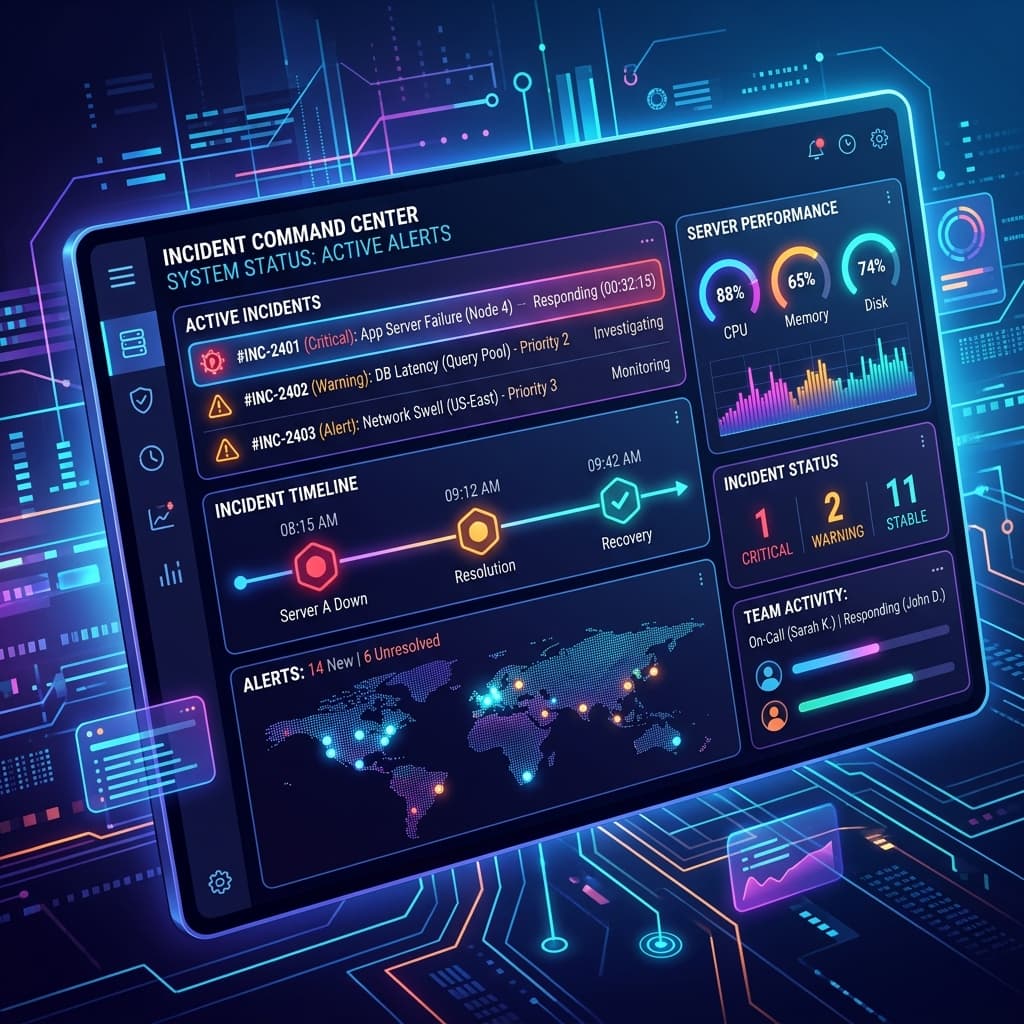
Managing Vendor Service Level Agreements (SLA) requires processing thousands of status events daily. When building the Vendor SLA & Incident Management system, we decided to use Go instead of our usual Node.js stack.
The Need for Speed and Concurrency
Go's goroutines allowed us to process incoming webhooks from 23 different logistics fleets concurrently without blocking the main thread or consuming massive amounts of memory.
Simple Routing with Chi
We chose go-chi as our router. It's incredibly lightweight, 100% compatible with the standard net/http library, and doesn't introduce unnecessary abstractions.
Server-Side Rendering (SSR) with Templ
Instead of building a heavy Single Page Application (SPA) for a simple internal dashboard, we used Templ to render HTML on the server. This resulted in near-instant load times and reduced the complexity of our deployment pipeline.
Conclusion
Go proved to be exceptionally reliable. The strong typing, built-in concurrency, and fast execution made our incident management system incredibly robust.
Related Articles
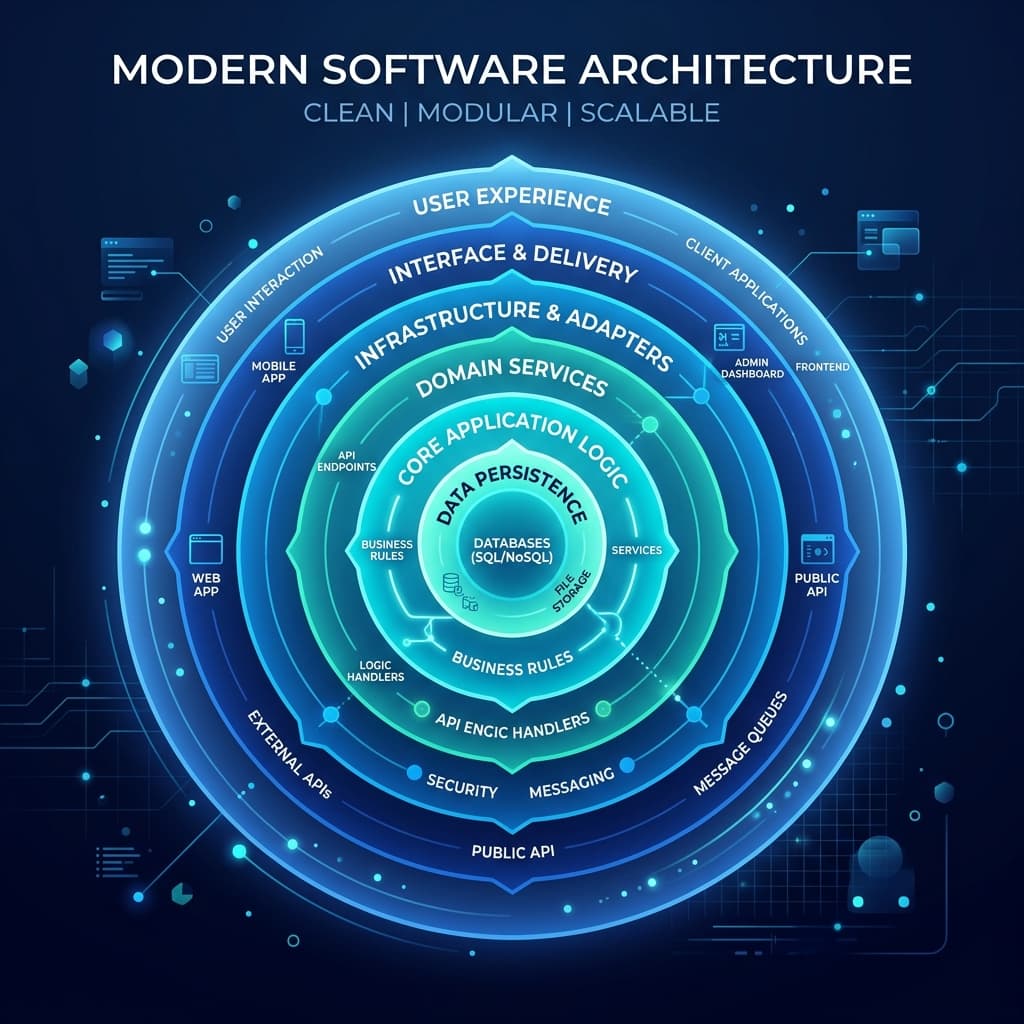
Implementing Clean Architecture in NestJS for Enterprise Platforms
How we structured our enterprise digital platform using NestJS, Clean Architecture, and Redis to achieve high scalability and maintainability.

Building an Offline-First Mobile App with Flutter and Sembast
A practical guide to syncing field attendance data automatically using local caching and background jobs in Flutter.